
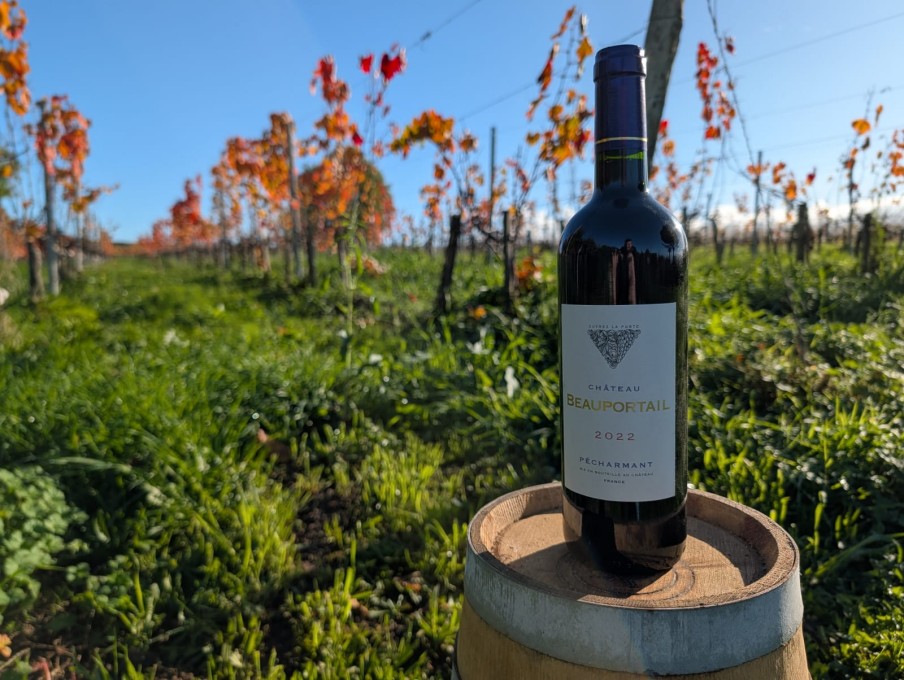
The French region of Dordogne, with its medieval villages, prehistoric art, and lush river valleys, is a traveler’s dream. For the oenophile, it presents a fascinating choice: the global prestige of Bordeaux to the west or the rustic charm of its eastern neighbor, Bergerac, with its hidden gem, Pécharmant. This isn’t just a battle of bottles; it’s a clash of travel experiences. Do you seek the grand château tour or the heartfelt welcome at the family domaine? The answer defines your journey through vine-covered hills.
The Tourism Titan: Bordeaux’s Polished Machine
There’s no denying the allure of Bordeaux. The city itself, a UNESCO World Heritage site, is a magnificent hub of neoclassical architecture, world-class restaurants, and wine bars that are cathedrals to the vine. A tour here is a well-oiled machine, offering unparalleled access to legendary names.
The Experience:
Visiting a classified growth in Médoc or a storied estate in Saint-Émilion is a bucket-list event. The tours are professional, often by appointment only, and can feel like a museum visit. You’ll see immaculate, state-of-the-art cellars, learn the meticulous chais operations, and taste wines that are benchmarks for the world. The focus is on brand, history, and precision.
The Practicalities:
- Planning: Essential. Book tours and tastings weeks, if not months, in advance for top châteaux.
- Cost: Can be high. Tasting fees for prestigious estates are common and can range from €20 to €100+ per person.
- Scale: Be prepared to drive. The regions are vast; the 45-minute drive from Pauillac to Saint-Julien is just a short hop in Bordeaux terms.
Iconic Wineries & Tours in Bordeaux:
| Region | Château / Experience | Why Visit? |
| Médoc | Château Lynch-Bages, Pauillac | A “super-second” growth with a stunning, modern winery and a dedicated wine tourism village. |
| Saint-Émilion | Château Coutet, Saint-Émilion | A family-run, organic estate offering a fantastic tour that delves into their unique terroir and history. |
| Pessac-Léognan | Château Smith Haut Lafitte, Martillac | A premier cru with an on-site luxury spa, art gallery, and deep commitment to sustainability. |
| City Base | La Cité du Vin, Bordeaux | Not a winery, but an essential, immersive museum exploring global wine culture. |
The Intimate Challenger: Pécharmant’s Country Charm
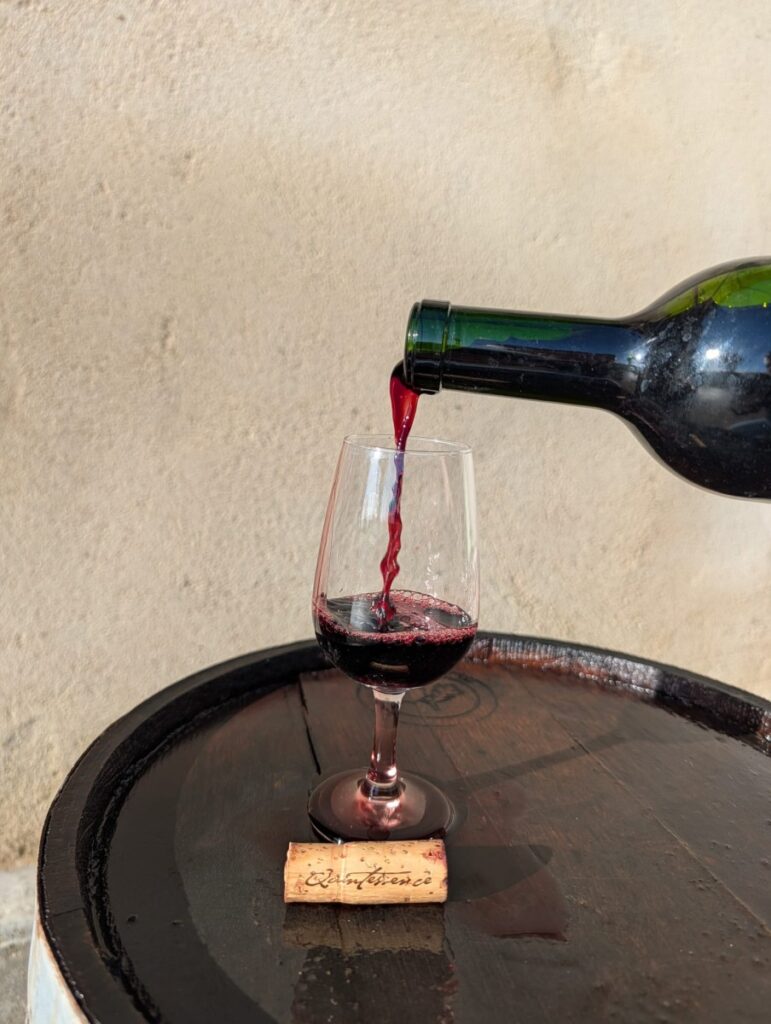
A two-hour drive east, the atmosphere shifts. The Bergerac wine region feels like the French countryside of a bygone era. Here, Pécharmant is the star—a small, elevated plateau whose iron-rich soils produce the most robust and age-worthy reds in the Bergerac AOC. The tourism experience is its greatest asset: immediate, personal, and deeply connected to the land.
The Experience:
This is the land of the accueil chaleureux (warm welcome). You are more likely to be greeted by the owner or winemaker than a hired guide. Tours are often informal walks through the vines, explaining the unique grez (gravel) and alios (ironpan) soils that define Pécharmant. Tastings frequently include older vintages pulled from the family cellar, offered with a story and a genuine passion for sharing their craft.
The Practicalities:
- Planning: Flexible. While a call ahead is polite, many domaines welcome drop-in visitors, especially during posted opening hours.
- Cost: Often free or a very modest fee (€5-€10), which is frequently waived if you purchase a bottle.
- Scale: Compact and bike-friendly. The entire Pécharmant appellation is only about 400 hectares; you can visit 3-4 top estates in a single, relaxed afternoon.
Must-Visit Wineries on the Pécharmant Route:
| Domaine | Key Characteristic | The Visitor Experience |
| Domaine du Haut-Pécharmant | One of the oldest estates, with exceptional old vines. | A chance to taste benchmark, traditional Pécharmant with incredible structure and aging potential. |
| Château de Tiregand | A beautiful estate producing both Pécharmant and a renowned dry white. | A stunning property offering a glimpse into the aristocratic history of the region. A polished yet friendly visit. |
| Domaine des Costes | Organic and biodynamic practices. | For the terroir-purist. A fantastic tour focusing on soil health and natural winemaking. Rustic and authentic. |
Crafting Your Dordogne Wine Tour
Your choice between these two regions will shape your entire trip. Here’s how to plan for each:
Table: Designing Your Wine Tourism Itinerary
| Aspect | The Grand Bordeaux Tour | The Intimate Pécharmant & Bergerac Tour |
| Ideal Base | City of Bordeaux (for Left Bank/Médoc) or Saint-Émilion town (for Right Bank). | The charming city of Bergerac, with its old port and Tuesday market. |
| Trip Duration | 4-7 days to properly explore multiple sub-regions. | 2-4 days to thoroughly enjoy Pécharmant and other Bergerac appellations (Monbazillac, Saussignac). |
| Best Way to Travel | Hire a car or a private driver (highly recommended for the D2 “Route des Châteaux”). | Hire a car, or even bicycles for a dedicated day on the Pécharmant route. |
| Dining Pairing | Michelin-starred restaurants in Bordeaux or at châteaux like Château Cordeillan-Bages. | A rustic ferme-auberge (farm inn) or a picnic with local pâté, Bergerac strawberries, and a bottle of Pécharmant. |
| Beyond the Vines | Architecture, shopping, the Bassins des Lumières, and the Atlantic Coast. | Prehistoric Lascaux IV, canoeing the Dordogne River, and visiting medieval Sarlat-la-Canéda. |
The Verdict: A Journey for Every Traveler
The battle between Bordeaux and Pécharmant for the heart of the wine tourist is not won by knockout, but on points of personal preference.
Choose Bordeaux if: You crave the iconic. You want to walk the hallowed halls of wine royalty, taste legendary vintages, and immerse yourself in a globally-influential wine culture. It is a pilgrimage of scale and history.
Choose Pécharmant and Bergerac if: You value connection. You travel for the unscripted moments—the chance to chat with a winemaker, to taste a wine poured from a barrel, and to feel the soul of a place untouched by mass tourism. It is an adventure of authenticity and heart.
Ultimately, the Dordogne offers a rare gift: two world-class wine experiences showcasing the best French red wine within a short drive of each other. For the traveler with time, the ultimate victory is to experience both, savoring the polished grandeur of Bordeaux before retreating to the warm, sun-drenched hills of Pécharmant, where the wine is just as profound and the welcome feels like coming home.