Key Takeaways
- Views alone do not guarantee a good experience
- Timing can change everything
- Food and drinks need equal attention
- Expectations matter more than hype
Introduction
A rooftop restaurant promises more than just a meal. It blends atmosphere, elevation, and social energy into an experience, often combining bar and dining in one setting. Wind, crowds, pricing, and menu balance all play a role. Yet rooftop venues can be surprisingly unforgiving if chosen or timed poorly.
How to Understand the Rooftop Trade-Off
Space is limited, logistics are complex, and weather always has a say. Recognising this helps diners set realistic expectations. Bar and dining concepts at height often prioritise atmosphere and social rhythm, which means the best experiences come from alignment rather than comparison with ground-level restaurants. Satisfaction improves when guests understand the environmental constraints.
Timing Is Your First Survival Tool
Early evening offers better seating and calmer service. Later hours bring energy and crowds. A rooftop restaurant may feel relaxed at sunset and intense after nightfall. Peak congestion periods increase perceived waiting time and reduce overall satisfaction.
Seating Strategy Matters More Than You Think
Wind exposure, proximity to speakers, and foot traffic affect comfort. At a rooftop restaurant, requesting seating slightly away from edges or service paths often improves the experience. Seating comfort is a stronger predictor of enjoyment than décor alone. A great view loses its charm quickly if conversation becomes difficult.
Reading the Menu Beyond First Impressions
A well-designed rooftop restaurant menu shows coherence that complements the setting and pace of the evening. Overly long menus can signal operational strain. For bar and dining settings, focus on signature items rather than breadth. Perceived quality increases when menus demonstrate focus and consistency.
Drinks as Anchors, Not Accessories
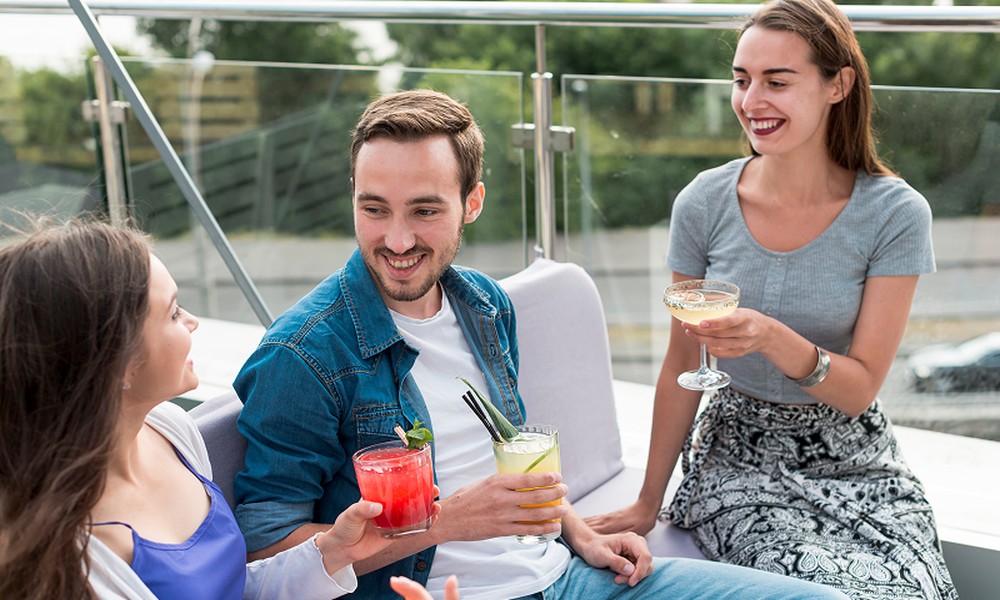
Cocktails, wines, or spirits often set the tone before food arrives. Choosing drinks that suit the pace of the evening helps manage expectations. In bar and dining environments, lighter, balanced drinks support longer stays, while heavy options can overwhelm early. Drink pacing influences dwell time and overall satisfaction.
Managing Price Expectations
Pricing at a rooftop restaurant includes location, staffing, and logistics. Understanding this reframes value. Instead of comparing prices to neighbourhood eateries, evaluate the total experience: view, ambience, service, and flow. Dissatisfaction arises when price is judged in isolation rather than context.
Crowd Dynamics and Social Density
Too quiet, and the atmosphere feels flat; too crowded, and the experience becomes stressful. A rooftop restaurant reaches optimal social density during specific windows. Moderate crowding increases perceived vibrancy without harming comfort. Observing foot traffic before committing to long stays can help diners decide whether to linger or move on.
Weather Awareness Is Not Optional
Unlike indoor venues, rooftop restaurants are sensitive to weather changes. Heat, humidity, and sudden rain affect comfort and service speed. Checking forecasts and choosing flexible plans improves outcomes. Weather is a key determinant of satisfaction in open-air dining.
Service Flow Over Service Speed
Rooftop environments prioritise flow over speed. Longer wait times can occur due to lift access, kitchen logistics, or bar congestion. Understanding this prevents frustration. Bar and dining experiences benefit when diners align expectations with the venue’s rhythm.
Matching the Venue to the Occasion
A rooftop restaurant suits certain occasions better than others. Celebrations, casual gatherings, and social catch-ups thrive in elevated settings. Serious discussions or rushed meals often do not. Aligning the purpose of the outing with the bar and dining environment improves satisfaction.
How Reviews Should Be Read
Reviews are useful when read for patterns rather than extremes. Repeated mentions of noise levels, service pacing, or food style provide clearer signals than one-off praise. For rooftop restaurant choices, filtering reviews by time of visit helps set expectations. Thematic consistency predicts experience more reliably than average scores.
Balancing Food and View
Some rooftop restaurants prioritise food, others atmosphere. If culinary excellence is the sole goal, a ground-level restaurant may deliver more focus. If bar and dining as a combined social experience is the aim, rooftops shine. Understanding this balance helps diners choose intentionally rather than reactively.
Learning From Regulars
Regular patrons often understand the rhythm of a venue. Observing when they arrive, where they sit, and what they order provides useful cues. In bar and dining contexts, regular behaviour often signals the most reliable experience windows. A rooftop restaurant rewards preparation without demanding rigidity. Timing, seating, menu focus, and expectations go a long way.
Conclusion
Rooftop dining is not about chasing the highest view, but about aligning setting, mood, and moment. A rooftop restaurant offers a distinctive blend of atmosphere and social energy. Aar and dining at height demands thoughtful choices. With the right approach, the experience becomes less about avoiding pitfalls and more about enjoying what rooftops do best: perspective, pace, and presence.
If you are exploring a skyline experience that balances atmosphere, drinks, and food with intention, contact HighHouse today to learn more.