

Italian cuisine is known worldwide for its tradition, simplicity, and bold, honest flavors. From slow-simmered sauces to handmade pasta, the foundation of great Italian cooking lies in time-tested techniques and fresh ingredients. But some restaurants are pushing the boundaries—carefully blending tradition with innovation to keep dishes exciting without losing their soul.
In Montreal’s evolving food scene, one Italian restaurant stands out for its ability to modernize the classics while staying true to the heritage of Italian cooking. Here’s how they’re doing it—and why it works.
1. Honoring Tradition with Purpose
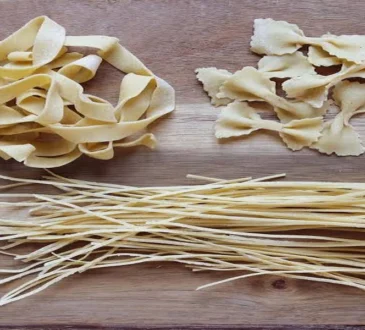
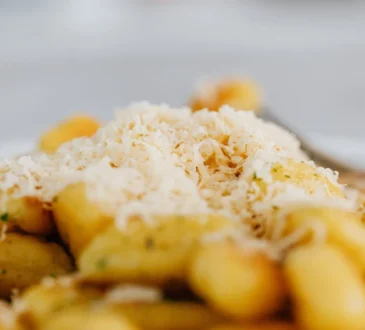
Modernizing a traditional cuisine doesn’t mean changing it entirely. The best chefs understand which elements to preserve and which to reimagine. This restaurant begins with authentic Italian staples—bolognese, carbonara, risotto, gnocchi—but uses creative flair in subtle, thoughtful ways.
For example, traditional pasta dishes may be plated more artistically, or made with less conventional ingredients like truffle-infused cream or lemon-scented ricotta. The result is food that’s rooted in authenticity but enhanced with a contemporary sensibility.
2. Seasonal and Local Ingredients
One hallmark of modern dining is the emphasis on local and seasonal sourcing. While Italian cooking traditionally celebrates regional produce from Italy, modern restaurants adapt this approach to their own geography.
In this Montreal restaurant, chefs work with nearby farms and markets to source fresh herbs, vegetables, seafood, and meats. These ingredients are used to reinterpret classic Italian dishes in a way that feels relevant and fresh for the local palate, all while reducing the environmental impact.
3. Creative Presentation
Today’s diners eat with their eyes as much as their mouths. While traditional Italian food is often rustic and hearty, modern iterations focus more on presentation. Here, dishes are plated with elegance—vibrant sauces are painted with precision, garnishes are used sparingly but effectively, and textures are layered intentionally.
This level of visual artistry elevates the dining experience without compromising the comforting, familiar essence of Italian cuisine.
4. A Fusion of Techniques
Innovation in the kitchen also comes from blending culinary techniques. Sous vide, foam garnishes, or modern emulsions might make appearances on the menu—not to be gimmicky, but to enhance textures and flavors. For example, a slow-cooked lamb ragu might be finished with an herbed espuma, adding lightness and balance to a rich dish.
By applying modern methods to old-world recipes, the kitchen creates food that is both inventive and approachable.
5. Expanding the Beverage Program
Classic Italian restaurants traditionally focus on Italian wines and espresso. But today’s establishments are expanding that scope. You might find seasonal cocktails featuring Aperol and vermouth with modern twists, or wine pairings that include lesser-known regions or biodynamic options.
This broader beverage approach complements the updated menu and caters to a wider range of preferences.
6. Embracing Montreal’s Cultural Blend
What makes Montreal a great food city is its mix of cultures—and this restaurant reflects that blend. By incorporating subtle French techniques, local flavors, and even Quebecois ingredients, it bridges the gap between Italian tradition and Canadian context.
Diners enjoy the familiarity of classic Italian flavors, layered with something uniquely modern and local. One such restaurant embracing this style is Trattoria Gio, where the menu celebrates heritage while embracing the creative spirit of modern Montreal.
Conclusion
Reinventing traditional cuisine takes a delicate balance. Done right, it honors the past while moving confidently into the future. In Montreal, restaurants like this Italian gem show how classic dishes can be reborn through local ingredients, innovative techniques, and a deep respect for tradition.